
MEET THE NEW DEANS
Meet the New Deans is a new monthly feature introducing recently appointed Deans to the broader ASAHP community. Through a series of questions, we explore their professional journeys, leadership philosophies, and priorities for the future. Read on to get to know this month's featured Dean.
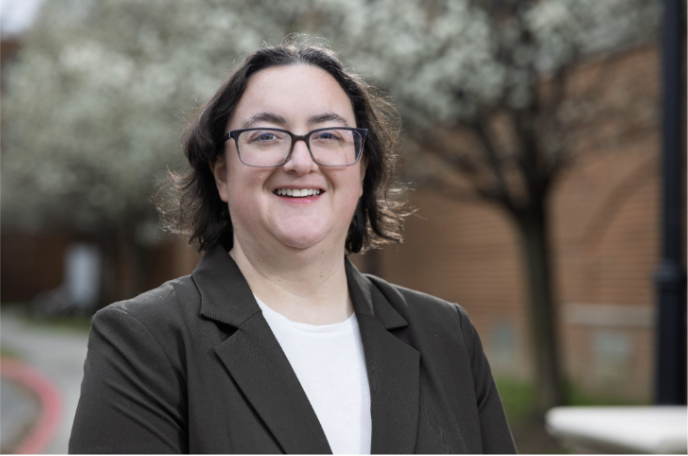
Janet E. Simon, PhD, AT Interim Dean College of Health Sciences and Professions Ohio University
ASAHP: What led you to a career in health professions?
Dean Simon: I was drawn to the health professions because they bring together science, human connection, and the opportunity to make a tangible difference in people’s lives. Athletic training gave me an early understanding of how health professionals support individuals not only in recovering from injury, but also in regaining confidence, function, and quality of life. My career eventually expanded into research, education, and academic leadership, but that fundamental commitment to improving health and preparing professionals to serve others has remained constant.
ASAHP: Are there new strategies you’re hoping to implement at your institution in your new role as Dean?
Dean Simon: One of my priorities is to ensure that our academic portfolio continues to evolve with the needs of students, communities, and the healthcare workforce. That includes exploring new delivery models and locations, strengthening pathways into high-demand professions, and creating more opportunities for students to learn across disciplines. I also want us to be intentional about connecting academic innovation with student success, workforce needs, research, and community impact. Given the pace of change in higher education and healthcare, we must be willing to protect what is working, change what is no longer serving us well, and build thoughtfully for the future.
ASAHP: What do you think is most valuable about being part of a network of Deans within ASAHP?
Dean Simon: The most valuable aspect is the opportunity to learn from colleagues who are navigating many of the same challenges and opportunities. Health professions deans are working in a particularly complex environment shaped by workforce shortages, rapidly changing models of care, accreditation requirements, enrollment pressures, and evolving student needs. A network such as ASAHP provides a space to share strategies, compare approaches, and identify opportunities for collaboration. It is also reassuring to have a community of leaders who understand both the complexity and the tremendous potential of health professions education.
ASAHP: Have you participated in any programs such as ASAHP’s Leadership Development Program or other professional development programs? If so, how do you believe that will benefit you in your role as Dean?
Dean Simon: I participated in the Mid-American Conference Academic Leadership Development Program as a member of the 2023-24 cohort. The program broadened my understanding of institutional leadership and gave me opportunities to learn from leaders and faculty colleagues across multiple universities. It also encouraged me to reflect more intentionally on my own leadership values, strengths, and areas for continued growth. That experience has been especially valuable as dean because it reinforced the importance of listening, seeking perspectives beyond one’s immediate area, and understanding how decisions affect different parts of an institution. It also provided a network of colleagues whose perspectives continue to inform my leadership.
ASAHP: Why do you think Interprofessional Collaboration is so critical to advancing the mission of health professions?
Dean Simon: The most significant health challenges facing individuals and communities cannot be addressed by any one profession acting alone. Effective care depends on professionals who understand one another’s expertise, communicate well, and work toward shared goals with patients, families, and communities. Interprofessional collaboration must therefore begin during students’ education rather than after they enter practice. When students learn with, from, and about one another, they are better prepared to contribute to collaborative teams, respect different perspectives, and respond to complex needs. This ultimately strengthens both the healthcare workforce and the quality of care we provide.